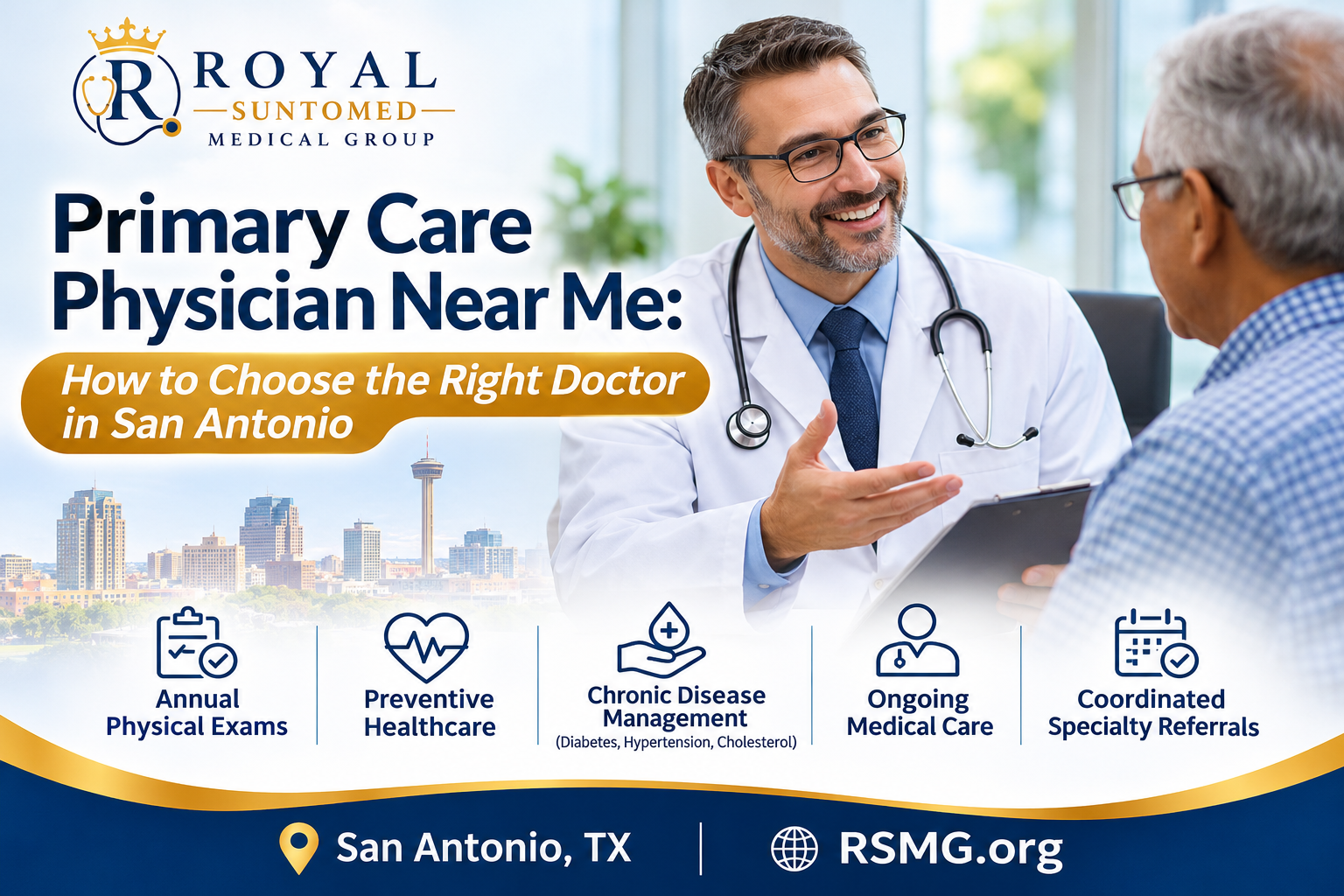

When was the last time you visited your doctor for a routine physical exam?
Many adults only schedule medical appointments when they feel sick or experience noticeable symptoms. However, some health conditions, including high blood pressure, high cholesterol, and type 2 diabetes, can develop without obvious warning signs.
An annual physical exam provides an opportunity to review your overall health, identify potential risk factors, discuss preventive screenings, and create a personalized plan for maintaining long-term wellness.
At Royal Suntomed Medical Group in San Antonio, Texas, we believe preventive healthcare is an important foundation for healthier living.
Whether you are managing a chronic condition or simply want to stay proactive about your health, regular primary care visits can help you make informed decisions about your well-being.
In this guide, we explain why annual physical exams matter, what happens during a physical examination, which screenings may be recommended, and how preventive care supports long-term health.
What Is an Annual Physical Exam?
An annual physical exam is a routine medical appointment during which a healthcare provider reviews your health history, evaluates your current health, and discusses preventive care needs.
Unlike a visit focused on a specific illness, a routine physical emphasizes your overall health and potential risk factors.
Depending on your age, medical history, symptoms, and individual needs, your appointment may include:
- Medical history review
- Blood pressure measurement
- Height, weight, and body mass index (BMI) assessment
- Heart and lung examination
- Medication review
- Evaluation of lifestyle habits
- Discussion of recommended vaccinations
- Age-appropriate health screenings
- Counseling about nutrition, exercise, and other preventive measures
Not every patient needs the same examination or laboratory tests. Your healthcare provider will recommend services based on your individual health profile.
10 Reasons Why Annual Physical Exams Are Important
1. Early Identification of Health Problems
One of the most important benefits of regular preventive care is the opportunity to identify certain health concerns before they cause noticeable symptoms.
Conditions such as hypertension, high cholesterol, and prediabetes may remain undetected without appropriate screening.
During a physical exam, your doctor can review your risk factors and determine whether additional testing is appropriate.
Early identification can create opportunities for timely treatment and risk reduction.
2. Monitor Blood Pressure and Heart Health
High blood pressure is a major risk factor for heart disease, stroke, and kidney disease.
Because hypertension often has no symptoms, regular blood pressure measurements are important.
Your doctor may also assess cardiovascular risk factors such as:
- Cholesterol levels
- Diabetes
- Tobacco use
- Family history of heart disease
- Physical activity
- Weight and nutrition
Based on your overall risk, your provider may recommend lifestyle changes, further evaluation, or medication.
3. Screen for Diabetes and Prediabetes
Type 2 diabetes can develop gradually, sometimes without obvious symptoms.
Screening may be recommended based on age, weight, family history, previous test results, and other risk factors.
Common screening tests include:
Hemoglobin A1C: Measures average blood glucose levels over approximately three months.
Fasting Blood Glucose: Measures blood sugar after a period without eating.
Oral Glucose Tolerance Test: Evaluates how the body processes glucose in selected circumstances.
Not everyone needs diabetes testing every year. Your physician can recommend an appropriate schedule.
4. Review Cholesterol and Cardiovascular Risk
High cholesterol can contribute to plaque buildup in blood vessels, increasing the risk of cardiovascular disease.
A lipid panel may measure:
- Total cholesterol
- LDL cholesterol
- HDL cholesterol
- Triglycerides
Your doctor can interpret these results alongside other cardiovascular risk factors.
Regular preventive visits provide an opportunity to discuss heart-healthy eating, physical activity, and treatment options when appropriate.
5. Stay Current With Recommended Cancer Screenings
Certain cancer screening tests can detect abnormalities before symptoms develop.
During an annual physical, your doctor may review your eligibility for screenings such as:
- Colorectal cancer screening
- Breast cancer screening
- Cervical cancer screening
- Lung cancer screening for eligible higher-risk individuals
- Prostate cancer screening discussions when appropriate
Screening recommendations depend on age, medical history, family history, risk factors, and current clinical guidelines.
Not every cancer screening is recommended annually or for every patient.
Your physician can help you understand the potential benefits and limitations of different screening options.
6. Review Medications and Prevent Potential Problems
If you take prescription medications, over-the-counter products, or supplements, a routine medical visit is a good time to review them.
Your provider can evaluate:
- Whether medications are still needed
- Potential side effects
- Possible drug interactions
- Treatment effectiveness
- Dosage adjustments when appropriate
- Medication adherence concerns
This is especially important for adults managing multiple chronic conditions.
7. Support Healthy Weight and Metabolic Health
Weight alone does not determine overall health, but it can be one factor in assessing metabolic and cardiovascular risk.
During a preventive visit, your healthcare provider may discuss:
- Nutrition
- Physical activity
- Sleep
- Weight-related medical conditions
- Blood pressure
- Blood glucose
- Cholesterol
The goal is to develop realistic, individualized recommendations that support your health.
8. Address Mental and Emotional Well-Being
Physical and mental health are closely connected.
Routine primary care visits provide an opportunity to discuss concerns such as:
- Persistent stress
- Anxiety
- Depression
- Sleep difficulties
- Emotional exhaustion
- Changes in concentration or motivation
Your doctor may recommend screening, lifestyle strategies, counseling, or additional evaluation when appropriate.
Mental health is an important component of comprehensive preventive care.
9. Keep Vaccinations Up to Date
Vaccinations help reduce the risk of certain preventable infectious diseases.
During your physical exam, your healthcare provider may review recommended immunizations, including:
- Influenza
- COVID-19
- Tetanus, diphtheria, and pertussis
- Shingles
- Pneumococcal disease
- Hepatitis B
- Respiratory syncytial virus (RSV), when indicated
Recommendations vary by age, medical conditions, vaccination history, and current CDC guidance.
10. Build a Long-Term Relationship With Your Primary Care Doctor
Regular visits help your healthcare provider become familiar with your medical history, medications, risk factors, and personal health goals.
This continuity can support:
- More informed healthcare decisions
- Better coordination with specialists
- Ongoing management of chronic conditions
- Appropriate preventive screening
- Earlier evaluation of changes in health
A strong patient-provider relationship can make it easier to discuss concerns and participate in medical decisions.
What Happens During an Annual Physical Exam?
Although each appointment is individualized, a routine adult physical generally includes several important steps.
Step 1: Medical History Review
Your provider may ask about:
- Previous illnesses and surgeries
- Current medications
- Allergies
- Family medical history
- Lifestyle habits
- New or ongoing symptoms
Step 2: Vital Signs
Your healthcare team may measure blood pressure, pulse, temperature, height, and weight.
Step 3: Physical Examination
Depending on your needs, the examination may include assessment of your heart, lungs, abdomen, skin, and other body systems.
Step 4: Preventive Screening Review
Your doctor will determine which screening tests are appropriate based on your age, risk factors, and medical history.
Step 5: Lifestyle and Wellness Discussion
Topics may include nutrition, exercise, sleep, tobacco use, alcohol consumption, and stress management.
Step 6: Personalized Health Plan
Your physician may recommend follow-up testing, vaccinations, medication adjustments, lifestyle changes, or specialist referrals.
What Tests Are Included in an Annual Physical?
A common misconception is that every annual physical requires a complete panel of blood tests.
In reality, routine laboratory testing should be guided by individual health needs and evidence-based recommendations.
| Test or screening | Purpose |
|---|---|
| Blood pressure measurement | Screen for hypertension |
| Lipid panel | Evaluate cholesterol and cardiovascular risk |
| A1C or blood glucose | Screen for diabetes when indicated |
| Complete blood count (CBC) | Evaluate selected concerns, such as suspected anemia |
| Metabolic panel | Assess kidney function, electrolytes, and other measurements when appropriate |
| Thyroid testing (TSH) | Investigate suspected thyroid problems or monitor known thyroid disease |
| Colorectal cancer screening | Screen eligible adults for colorectal cancer |
| Other cancer screenings | Assess eligibility based on age and risk |
| Depression screening | Identify possible depressive symptoms |
| Vaccination review | Identify recommended immunizations |
Important: Tests such as CBC, metabolic panels, and thyroid function testing are not universally necessary for every healthy adult each year.
Your physician will recommend testing based on clinical need.
Annual Physical Exam vs. Medicare Annual Wellness Visit
Although these terms are sometimes used interchangeably, they are not the same service.
| Feature | Annual Physical Exam | Medicare Annual Wellness Visit |
|---|---|---|
| Main purpose | Evaluate overall health and preventive needs | Develop or update a personalized prevention plan |
| Physical examination | May include a physical examination | Does not routinely include a comprehensive physical examination |
| Medical history | Reviewed | Reviewed |
| Preventive screenings | Discussed and ordered when appropriate | Screening schedule and risk assessment reviewed |
| Coverage | Depends on insurance plan | Generally covered by Medicare Part B when eligibility requirements are met |
| Additional tests | May have separate costs | Tests and separately performed services may have separate costs |
Original Medicare generally does not cover a routine comprehensive physical examination simply because it is performed annually.
However, Medicare covers eligible Annual Wellness Visits under applicable requirements.
Patients should confirm benefits and potential out-of-pocket costs with their insurance provider.
How Often Should Adults Get a Physical Exam?
An annual preventive visit is a common opportunity to review health risks and preventive care needs.
However, a comprehensive head-to-toe physical examination is not necessarily required every year for every healthy adult.
The appropriate frequency of medical visits and testing depends on factors such as:
- Age
- Existing medical conditions
- Family medical history
- Medication use
- Screening history
- Personal risk factors
- New or changing symptoms
Adults with diabetes, hypertension, cardiovascular disease, or other chronic conditions may need more frequent follow-up appointments.
Your primary care physician can recommend a schedule that matches your needs.
Annual Physical Exams for Adults Over 40
As adults move through their 40s and 50s, the risk of certain chronic conditions increases.
Preventive care discussions may place greater emphasis on:
- Cardiovascular risk assessment
- Diabetes screening
- Cholesterol management
- Colorectal cancer screening
- Breast and cervical cancer screening when applicable
- Sleep and metabolic health
- Weight-related health concerns
Screening schedules should follow current guidelines and individual risk factors rather than age alone.
Annual Physical Exams for Adults Over 60
Older adults may benefit from additional attention to:
- Medication safety
- Fall risk
- Bone health and osteoporosis screening
- Hearing and vision concerns
- Cognitive symptoms when clinically indicated
- Vaccinations
- Chronic disease management
- Functional independence
A primary care physician can help coordinate preventive care and specialist recommendations.
How to Prepare for Your Annual Physical Exam
A little preparation can help you make the most of your appointment.
Before your visit:
- Prepare a list of medications and supplements.
- Write down any symptoms or health concerns.
- Review your family medical history.
- Bring previous medical records when relevant.
- Check whether your doctor has ordered fasting laboratory tests.
- Bring your insurance information.
- Prepare questions about screenings, vaccinations, and chronic disease prevention.
You should not fast or stop prescribed medications unless instructed by your healthcare provider.
Can Annual Physical Exams Help Prevent Chronic Diseases?
Routine preventive care can help identify modifiable risk factors and support healthier decisions.
For example, identifying elevated blood pressure may lead to lifestyle changes or treatment that lowers cardiovascular risk.
Recognizing prediabetes can create an opportunity to discuss interventions that may delay or prevent type 2 diabetes.
However, an annual physical does not guarantee that a disease will be prevented or detected early.
Its value lies in providing an organized opportunity to assess health risks, review recommended services, and address concerns with a qualified healthcare professional.
Annual Physical Exams in San Antonio, TX
Finding a trusted primary care provider is an important step toward maintaining your long-term health.
At Royal Suntomed Medical Group, we emphasize the importance of preventive healthcare, personalized medical evaluation, and ongoing adult primary care.
Whether you need a routine health assessment, management of chronic medical conditions, or guidance on recommended screenings, establishing care with a primary care physician can help you make informed decisions about your health.
For individuals searching for annual physical exams in San Antonio, TX, Royal Suntomed Medical Group is a practice you can contact to inquire about available preventive and primary care services.
Contact Royal Suntomed Medical Group
Royal Suntomed Medical Group
San Antonio, Texas
Website: www.rsmg.org
Your Health Is Our Priority.
Contact our office to learn more about available appointments and preventive healthcare services.
Frequently Asked Questions About Annual Physical Exams
1. Why are annual physical exams important?
Annual preventive visits provide an opportunity to review health risks, identify screening needs, discuss lifestyle habits, and manage ongoing medical concerns.
2. What is included in a yearly physical exam?
A routine physical may include a medical history review, vital signs, physical examination, medication review, and discussion of preventive screenings.
3. Do I need a physical exam if I feel healthy?
Even healthy adults may benefit from periodic preventive care because certain conditions can develop without noticeable symptoms. Your provider can recommend an appropriate visit schedule.
4. Does an annual physical include blood work?
Not always. Blood tests are recommended based on age, symptoms, medical history, and individual risk factors.
5. Is an annual physical exam covered by insurance?
Coverage varies by insurance plan. Many plans cover certain preventive services, but diagnostic testing, additional medical concerns, or other services may involve cost sharing.
6. What is the difference between an annual physical and a wellness visit?
A physical may include a clinical examination, while a Medicare Annual Wellness Visit primarily focuses on health risk assessment and preventive planning.
7. At what age should adults start getting regular physical exams?
Adults can establish primary care at any age. Visit frequency should be individualized rather than determined by a single universal starting age.
8. Can an annual physical detect diabetes?
A physical provides an opportunity to assess diabetes risk and order appropriate screening tests. Diabetes is diagnosed through specific laboratory criteria, not a physical examination alone.
9. How long does an annual physical take?
Appointment length varies depending on the practice, the patient’s medical history, and the services performed.
10. Where can I schedule an annual physical exam in San Antonio, TX?
You can contact a primary care or internal medicine practice in San Antonio to ask about preventive care appointments. Royal Suntomed Medical Group can provide information about its available services and scheduling.